
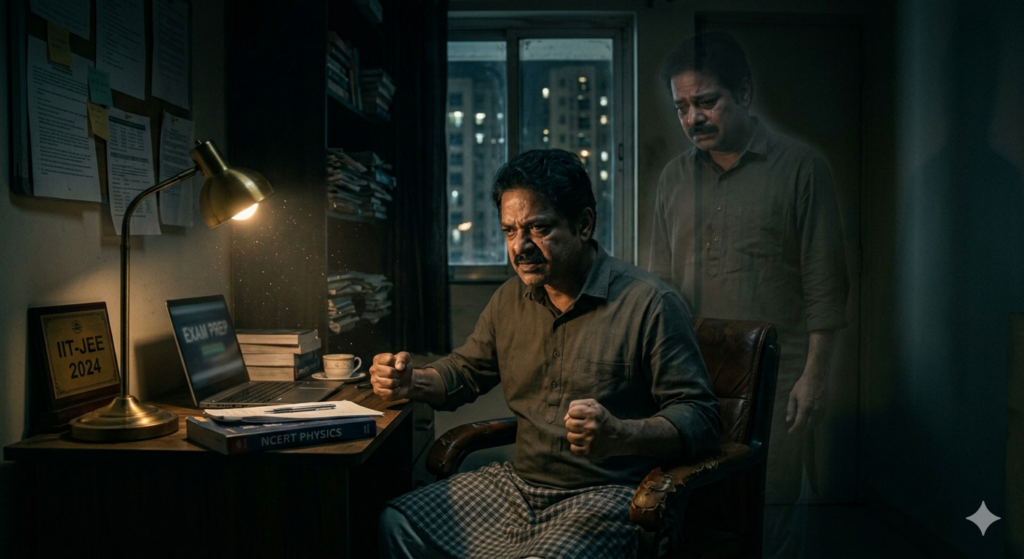
What Is Hidden or Masked Depression?
Hidden depression—often called masked depression—is exactly what it sounds like. The core symptoms of depression exist, but they are covered by other behaviors, making them harder to identify. Instead of feeling obviously sad, a person may feel restless, irritable, or constantly dissatisfied. This is particularly common in men due to social conditioning. Unlike classic depression, where symptoms include sadness, crying spells, and withdrawal, masked depression presents differently. You might see someone functioning normally—going to work, meeting responsibilities—but internally, they feel disconnected, empty, or overwhelmed. The emotional pain doesn’t vanish; it just takes a different shape. Psychological research highlights that anger can act as a “secondary emotion,” masking deeper feelings like sadness or fear (Mental Health Foundation). Think of it like an iceberg—what you see (anger) is just the tip, while the real emotional struggle lies beneath the surface. This is why many people—and even families—miss the signs completely, dismissing it as personality or stress.The Science Behind Anger and Depression
From a biological perspective, anger and depression are more connected than most people realize. Both involve dysregulation of neurotransmitters, particularly serotonin, which plays a key role in mood stability. When this system is disrupted, it doesn’t just lead to sadness—it can also cause irritability, impulsivity, and emotional reactivity. Research has shown that anger attacks are significantly more common in individuals with depression than in healthy individuals (PubMed). These aren’t just normal bursts of frustration—they are intense, sudden, and often disproportionate reactions to small triggers. Over time, these episodes can strain relationships, reduce quality of life, and increase emotional isolation. Another study found that anger attacks are strongly associated with higher levels of anxiety, irritability, and poorer overall quality of life (PubMed). This means that anger isn’t just a symptom—it’s a signal. A warning sign that something deeper is happening internally. So when someone says, “I don’t know why I get so angry,” the answer often lies not in anger management—but in understanding the underlying emotional distress.Why Men Experience Depression Differently
Here’s where things get even more interesting—and more concerning. Men are often taught from a young age:- Don’t cry
- Don’t show weakness
- Be strong
- Handle things yourself
Signs Your Anger Might Be Depression
Not every angry person is depressed—but certain patterns should raise concern. Emotionally, you might notice a constant sense of dissatisfaction. Nothing feels good enough, even when things are going well. There’s a background irritability, like a low-grade noise that never switches off. Small inconveniences feel disproportionately frustrating. Behaviorally, it shows up in subtle ways:- Snapping at loved ones over minor issues
- Feeling restless or unable to relax
- Increased alcohol or substance use
- Avoiding conversations about feelings
- Sudden outbursts followed by guilt
Real-Life Indian Examples
Let’s make this real.The Working Professional
Raj, a 32-year-old IT professional, started getting irritated at small things—traffic, colleagues, even family conversations. He thought it was just stress. But over time, he noticed he wasn’t enjoying anything anymore. Weekends felt empty. Work felt meaningless. His anger wasn’t the problem—it was the symptom.The Aspirant
Aman, preparing for UPSC, became increasingly frustrated. He snapped at his parents, avoided friends, and felt constantly on edge. Everyone assumed he was just “serious” about his goals. In reality, he was battling anxiety and depressive symptoms beneath the surface. These stories are not rare—they are everywhere.The Danger of Ignoring Hidden Depression
Ignoring this pattern can have serious consequences. Relationships often take the first hit. Loved ones may feel confused or hurt, not understanding why the person is always irritable. Over time, this creates emotional distance, increasing isolation—which further worsens depression. There’s also a higher risk of unhealthy coping mechanisms. Studies indicate that men with masked depression are more likely to engage in substance use, risk-taking behavior, and emotional withdrawal (Frontiers). Left untreated, this can escalate into severe depression, burnout, or even suicidal thoughts. The danger lies not just in the condition—but in how invisible it is.How to Manage Irritability and Underlying Depression
The first step is awareness. Instead of asking, “Why am I so angry?”, try asking, “What am I actually feeling underneath this anger?” Simple practices can help:- Journaling emotional triggers
- Identifying patterns in mood swings
- Practicing pause before reacting
How Mindwise Clinic Helps
At Mindwise Clinic, Lucknow, we understand that mental health doesn’t always look obvious. Dr. Parul Prasad (MBBS, MD, DNB, FGMH, MIPS) specializes in identifying subtle presentations of depression, including masked and male-pattern depression. The approach focuses on:- Detailed psychological assessment
- Identifying hidden emotional patterns
- Personalized therapy
- Medication when necessary
Conclusion
Anger is not always the enemy. Sometimes, it’s a messenger. It tells you something is wrong—something deeper than what appears on the surface. Ignoring it doesn’t make it disappear; it just makes it louder. The key is not to suppress anger, but to decode it. Because sometimes, what looks like anger… is actually pain that never got a voice.FAQs
1. Can depression really show as anger?
Yes. Many individuals, especially men, experience irritability and anger instead of sadness.2. Why do men express depression as anger?
Due to societal conditioning, men often suppress vulnerability and express distress through anger.3. Is anger a mental illness?
No, but persistent, uncontrolled anger can be a symptom of underlying mental health conditions.4. How do I know if I need help?
If irritability is affecting relationships, work, or daily life, it’s time to consult a professional.5. Can this condition be treated?
Absolutely. With proper therapy and support, individuals can regain emotional balance.A note on this article: This content is for general educational purposes and is not a substitute for professional medical advice, diagnosis, or treatment. If you are experiencing a mental health crisis or need urgent help, please contact a local emergency service or a crisis helpline directly — such as India's KIRAN mental health helpline: 1800-599-0019 (toll-free, 24/7).
