
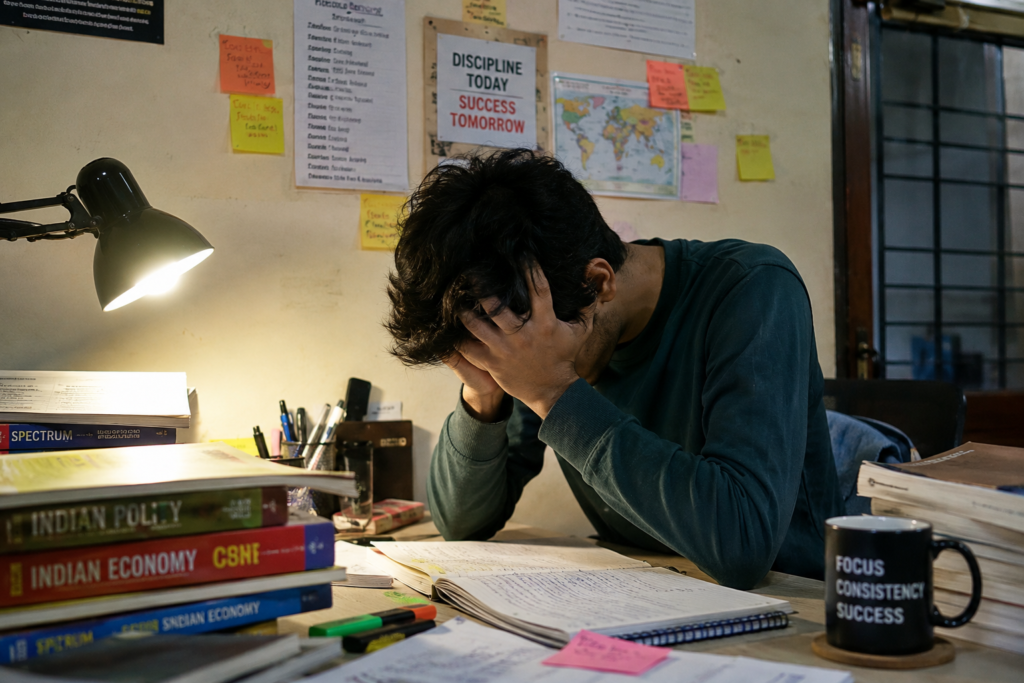
The Silent Psychological Battle Behind Competitive Exams
Every year, thousands of students in Lucknow prepare for highly competitive examinations like:- UPSC
- PCS
- SSC
- Banking
- Railways
- NEET
- JEE
- Defence services
Why Competitive Exams Affect Mental Health So Deeply
Competitive exams are not just tests of knowledge anymore. For many students, they become emotionally connected to:- self-worth
- family expectations
- financial stability
- social respect
- future identity
- fear of disappointing parents
“If I fail, my life is over.”Over time, preparation stops feeling like learning — and starts feeling like survival.
Common Mental Health Problems Seen in Aspirants
1. Constant Anxiety
Many students live in a continuous state of stress. Thoughts like:- “What if I fail?”
- “Others are studying more than me.”
- “I am running out of time.”
- “My parents have sacrificed so much.”
- “What if I never clear the exam?”
- chest tightness
- headaches
- palpitations
- sleep problems
- stomach discomfort
- restlessness
- panic attacks
2. Burnout
One of the biggest issues among UPSC and government exam aspirants today is burnout. Burnout happens when the brain remains under prolonged stress without adequate emotional recovery. Students may initially study with motivation and hope. But gradually they begin feeling:- mentally exhausted
- emotionally numb
- unable to concentrate
- disconnected from studies
- tired even after resting
3. Depression That Often Goes Unnoticed
Depression in aspirants does not always look dramatic. Some students still attend coaching and libraries while silently struggling with:- hopelessness
- emotional emptiness
- social withdrawal
- loss of motivation
- constant fatigue
- crying spells
- negative thoughts
- feelings of worthlessness
“I just have to keep studying somehow.”
4. Social Isolation
Many aspirants slowly disconnect from:- friends
- hobbies
- family gatherings
- relationships
- recreation
“I do not deserve enjoyment until I succeed.”But long-term isolation increases emotional stress. Human beings are not designed to function like machines.
5. Fear of Failure & Comparison
Social media and coaching culture often intensify comparison. Students constantly see:- toppers
- rank holders
- productivity videos
- motivational speeches
- success posts
- repeated failures
- emotional breakdowns
- loneliness
- financial pressure
- self-doubt
“Everyone else is doing better than me.”
The Emotional Impact of Repeated Failure
One failed attempt can deeply affect confidence. Repeated failures may lead to:- hopelessness
- self-doubt
- low self-esteem
- emotional breakdown
- depression
- suicidal thoughts in severe cases
“Result kab aa raha hai?” “Selection hua?” “Abhi tak clear nahi hua?”These questions may appear casual — but emotionally they can become painful.
Why Lucknow Students Specifically Face High Pressure
Lucknow has a large competitive exam ecosystem. Many students relocate from smaller towns and villages carrying:- family expectations
- financial pressure
- dreams of stability
- social responsibility
- financial security
- family pride
- social mobility
- long-term survival
Healthy Coping Mechanisms for Aspirants
1. Understand That Your Worth Is Not Equal to One Exam
This is extremely important. An exam can measure performance. It cannot measure:- your value as a person
- intelligence completely
- emotional strength
- kindness
- future potential
2. Build Structured Study Routines
Studying 14–16 hours daily without rest is not sustainable for most people. The brain requires:- breaks
- sleep
- nutrition
- movement
- emotional recovery
3. Reduce Toxic Comparison
Every aspirant has different:- background
- financial condition
- learning speed
- emotional resilience
- support system
4. Maintain Human Connection
Do not emotionally isolate yourself completely. Healthy conversations with:- family
- supportive friends
- mentors
- counsellors
5. Seek Professional Help Early
If you notice:- persistent sadness
- panic attacks
- inability to function
- suicidal thoughts
- severe anxiety
- emotional numbness
- sleep problems
- burnout
What Research Says About Competitive Exam Stress
Studies across India consistently show that aspirants preparing for highly competitive examinations experience significantly higher rates of:- anxiety disorders
- depression
- sleep disturbances
- burnout
- emotional distress
Final Thoughts
Behind every competitive exam aspirant is a human being carrying hopes, fears, insecurities, and emotional struggles. Success is important. But mental health matters too. No examination should cost someone:- their peace
- their identity
- their sleep
- their emotional stability
- or their life.
A note on this article: This content is for general educational purposes and is not a substitute for professional medical advice, diagnosis, or treatment. If you are experiencing a mental health crisis or need urgent help, please contact a local emergency service or a crisis helpline directly — such as India's KIRAN mental health helpline: 1800-599-0019 (toll-free, 24/7).
